Grapes, Terroir, and a View of the Aegean: Izmir's Wine Scene Is the Real Deal
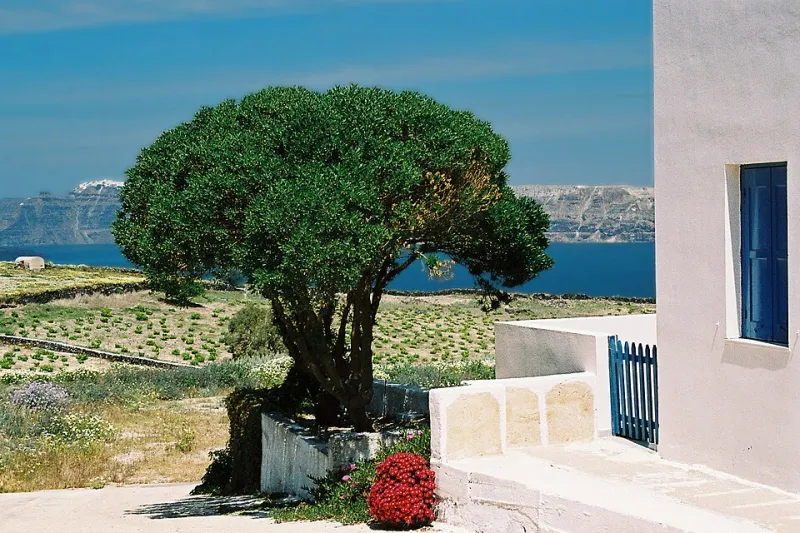
Photo: Ulrichstill, CC BY-SA 4.0, via Wikimedia Commons
The Bottle Most Americans Have Never Opened
Here's something that might surprise you: Turkey is one of the oldest wine-producing regions on the planet. Like, we're talking thousands of years older than Napa. The Aegean coast around Izmir sits on soil that has been growing grapes since antiquity, and the winemakers working that land today are doing something genuinely exciting with that heritage.
And yet, Turkish wine barely registers in the American consciousness. Ask most people to name a Turkish wine and you'll get a long pause. That's partly a distribution issue and partly a perception problem — Turkey gets filed under "kebab and tea" in the Western imagination, and the wine story never quite breaks through.
Izmir is working on changing that, one well-poured glass at a time.
Why This Region Produces Something Special
The Izmir province, particularly the areas around Urla and the Çeşme Peninsula, has a terroir that sommeliers would describe with the kind of reverence usually reserved for Burgundy or Tuscany. The combination of Mediterranean climate, mineral-rich volcanic soil, and cool Aegean breezes creates growing conditions that are genuinely distinct from anything you'd find in France, Italy, or California.
Local winemakers are increasingly leaning into indigenous grape varieties that have no direct equivalent elsewhere. Bornova Misketi, a fragrant white grape native to this exact stretch of Aegean coastline, produces wines with a floral intensity and dry finish that pair almost supernaturally well with the region's seafood. Karasakız, a red variety from the broader Aegean zone, offers a rusticity and depth that fans of natural wine would find immediately compelling.
These aren't "interesting for Turkey" wines. They're interesting, full stop.
The Urla Wine Route: A Day Trip Worth Rearranging Your Itinerary For
About 45 minutes west of central Izmir, the town of Urla has quietly become the epicenter of the region's boutique wine movement. A decade ago, it was mostly known for its artichokes (which are, for the record, also exceptional). Today, it anchors a loose network of small-production wineries, olive oil estates, and farm-to-table restaurants that together form one of the most rewarding food-and-wine experiences in the entire Mediterranean.
Several family-run wineries in the area welcome visitors for tastings, and the experience feels nothing like the polished, slightly corporate winery tours you might know from Sonoma or the Hudson Valley. These are working farms. You might taste in a converted stone barn. The person pouring your wine might also be the person who harvested the grapes.
Lucía, an American expat who relocated to Izmir after a decade in San Francisco's restaurant industry, described her first Urla winery visit as "the kind of experience I spent years trying to recreate in California and never quite managed." She now leads private food tours through the region and says wine is consistently what surprises her American clients most.
The Restaurants Doing Something New
Back in the city itself, a generation of chefs and restaurateurs is building a dining culture that treats local wine as an essential part of the conversation rather than an afterthought.
This is a meaningful shift. Turkish restaurant culture has historically been wine-agnostic — rakı (the anise-flavored spirit) held that ceremonial role for decades. But younger chefs in Izmir are increasingly designing menus around the Aegean's seasonal produce and pairing those dishes explicitly with local bottles.
The results are genuinely compelling. Imagine a plate of fresh-caught sea bass with local herbs, paired with a chilled glass of Bornova Misketi from a vineyard you can see from the restaurant window. Or a slow-braised lamb with wild greens matched to a structured red from Urla that's been aged just long enough to develop some complexity. This is what farm-to-table actually looks like when the farm, the table, and the wine are all operating within the same ecosystem.
A Few Names Worth Knowing
Without turning this into a directory, there are a handful of producers and spots that consistently come up when you talk to people who know this scene:
Urla Winery is probably the most established name in the area and a solid starting point for first-timers. Their tasting experiences are accessible without being dumbed down, and the property itself is beautiful in a way that photographs well but feels even better in person.
Suvla, based further up the Gallipoli Peninsula but with a strong Izmir presence, has done significant work in raising the international profile of Aegean wines. Their whites, in particular, have started appearing on wine lists in New York and London — a sign of the direction things are heading.
For dining, the cluster of restaurants around Alsancak and the Kordon waterfront increasingly stock serious local wine lists. Ask your server specifically about Aegean producers rather than defaulting to the familiar Turkish brands — the conversation that follows is usually worth having.
What This Means for American Travelers
If you're the kind of person who plans vacations around wine — who's done Bordeaux, done Willamette Valley, maybe done Ribera del Duero — Izmir offers something genuinely different. It's a wine region that hasn't been fully discovered yet, which means the prices are still reasonable, the producers are still accessible, and the experience still feels personal in a way that more famous regions have largely lost.
Beyond the wine itself, there's the context. Drinking a glass of indigenous Turkish white while watching the sun drop into the Aegean, with a plate of fresh octopus in front of you and a winemaker's phone number in your pocket — that's not a trip you replicate easily.
Izmir has always been a city that rewarded people who looked past the obvious. Its wine scene is just the latest proof of that.