Street Lights, Seafront Nights: What Izmir's Alsancak Festival Actually Feels Like
The Street Nobody Talks About (But Everybody Knows)
Ask anyone in Izmir where the real heartbeat of the city lives, and they'll point you toward Alsancak before you finish the sentence. This neighborhood — draped along the Aegean waterfront, lined with Ottoman-era architecture and buzzing wine bars — spends most of the year as a fashionable district that locals quietly love. But for a few weeks each summer, it becomes something else entirely.
The Alsancak Festival turns this already-lively corridor into a sprawling outdoor celebration that blends live music, street performances, artisan markets, and enough food to make your flight home feel like a real sacrifice. Think New Orleans Jazz Fest energy, but set against a backdrop of turquoise water and ancient stone — and with significantly better weather.
A Little History Goes a Long Way
Alsancak didn't become Izmir's cultural nucleus by accident. The neighborhood has long been the city's cosmopolitan heart, shaped by centuries of Greek, Levantine, Jewish, and Ottoman influences layering on top of one another like baklava. When the festival first took root as a formal event, it was partly an act of civic pride — a way for İzmirliler (that's what locals call themselves) to claim their city's reputation as Turkey's most open, progressive, and outward-looking urban center.
That identity is baked into every corner of the festival. You'll see traditional folk dancers sharing a stage with indie rock bands from Istanbul. You'll find grandmothers selling hand-embroidered table linens next to booths hawking locally fermented craft beer. It's not curated contradiction — it's just what Izmir actually looks like when it's showing off.
What to Expect When You Get There
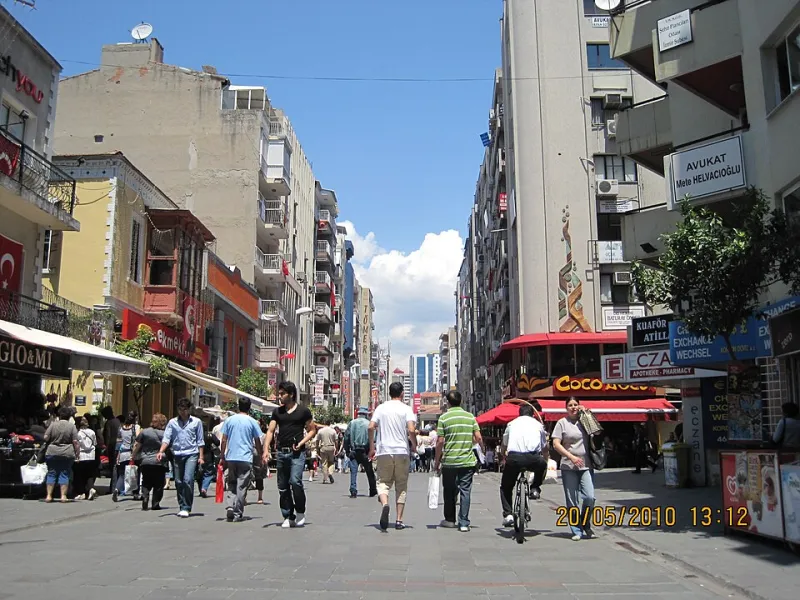
For first-timers flying in from the US, the scale of the thing can be genuinely disorienting — in the best possible way. Kordon, Izmir's famous waterfront promenade, becomes the festival's main artery. The palm-lined boulevard fills with temporary stages, and the sound of live music drifts across the water at all hours.
Here's a rough breakdown of what you'll encounter:
The Music Stages — Multiple performance areas run simultaneously, ranging from Turkish classical and folk (think soulful bağlama solos) to jazz, electronic, and pop acts that draw younger crowds. There's no single "main stage" mentality here. The whole neighborhood is the venue.
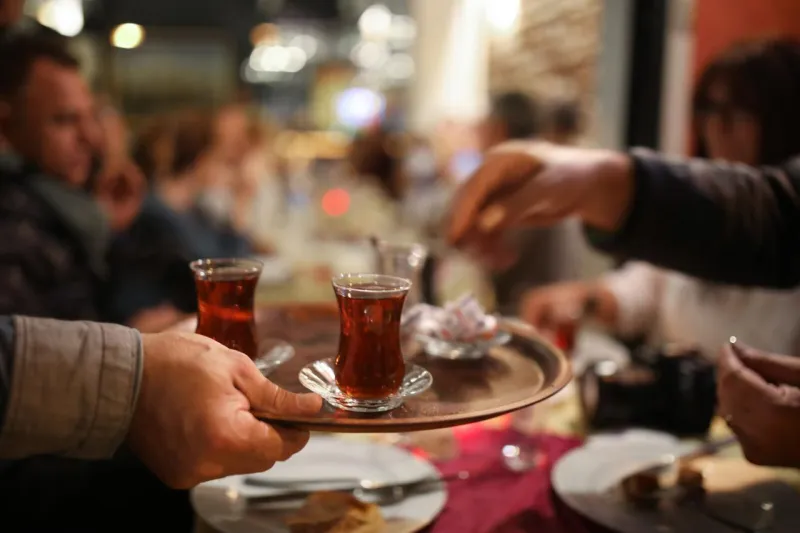
The Food Corridors — Local vendors set up along the side streets branching off Kordon, and this is where you want to spend time. Look for gözleme (savory stuffed flatbread), midye dolma (mussels stuffed with spiced rice), and the city's beloved boyoz pastry. It's street food that puts most festival food in the US to shame, and it costs almost nothing.
The Art Installations — Murals, pop-up galleries, and public sculpture appear throughout the neighborhood during festival weeks. Many feature work by Izmir-based artists, and the installations often respond to the city's history in ways that are genuinely moving once you know the context.
The Night Market — After sunset, the energy shifts. The waterfront lights up, the crowd gets younger and louder, and the whole stretch takes on a warm, golden glow that's basically impossible to photograph accurately. You just have to be there.
Talking to Locals: What They Actually Think
Spend an afternoon in Alsancak during festival season and you'll quickly learn that İzmirliler have strong opinions about their celebration. A retired schoolteacher named Ayşe, who's lived in the neighborhood for over forty years, put it plainly: "Istanbul has the reputation, but Izmir has the soul. During the festival, everyone understands this."
Younger residents are equally passionate, though they're more focused on what the festival represents culturally. Emre, a graphic designer in his late twenties, described it as "the one time of year when the city becomes exactly what it thinks it is — free, loud, and a little bit beautiful."
That's not marketing copy. That's just what people say when you ask.
Practical Tips for North American Visitors
Getting to Izmir is easier than most Americans realize. Adnan Menderes Airport (ADB) has direct connections from major European hubs, and plenty of budget-friendly flights connect through Istanbul. From the airport, the IZBAN commuter rail drops you close to the action.
A few things worth knowing before you go:
- Timing matters. The festival typically runs in late spring through early summer, though exact dates shift year to year. Check the city's official cultural calendar before booking — and book accommodations early, because Alsancak hotels fill up fast.
- Cash is king for street vendors. While most restaurants and shops accept cards, the market stalls and small food stands overwhelmingly prefer Turkish lira in hand.
- Dress for warmth at night. Izmir evenings by the Aegean can surprise you with a breeze even in summer. A light layer makes the difference between a perfect night and a cut-short one.
- Learn three words. Teşekkürler (thank you), lütfen (please), and çok güzel (very beautiful) will get you further than you'd expect, and locals genuinely appreciate the effort.
Why This Should Be on Your Radar
American travelers tend to default to Istanbul when planning a Turkey trip, and that's completely understandable — Istanbul is extraordinary. But Izmir offers something different: a city that moves at a human pace, that feels genuinely lived-in, and that celebrates itself with an infectious lack of pretension.
The Alsancak Festival is the purest expression of that spirit. It's not performing for tourists. It's just a city being joyful in public, and it's welcoming anyone who wants to join in.
That's a rare thing. It's worth the flight.