Before the City Wakes Up: The Unwritten Rules of Izmir's Morning Coffee Ritual
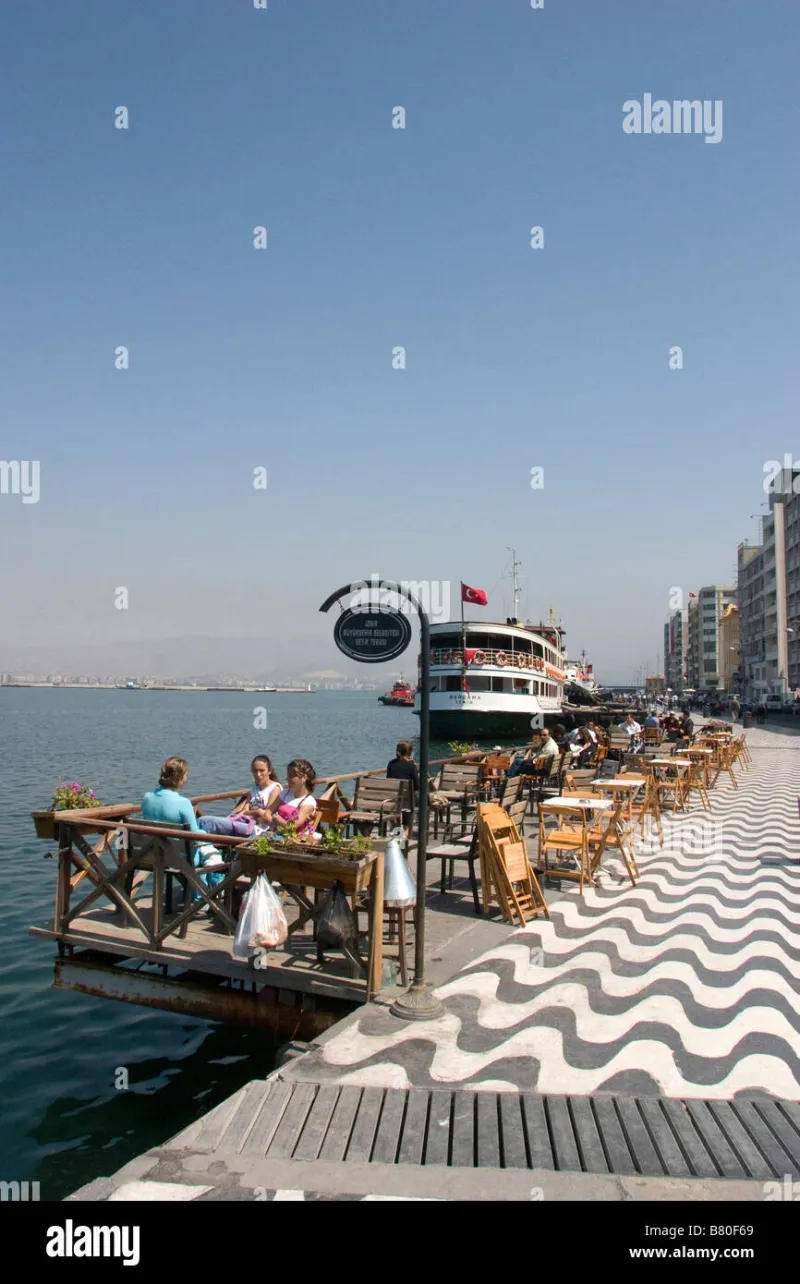
Photo: Turkish coffee waterfront cafe morning Izmir Aegean, via c8.alamy.com
If you've ever landed in Izmir and made your way to the waterfront somewhere around 8 or 9 a.m., you've probably noticed the cafés already humming with people. You grabbed a menu, ordered something familiar, and figured you'd tapped into local life. Here's the thing, though: by 8 a.m., the real ritual is already half over.
Izmir's most authentic coffee culture doesn't start when the sun is fully up. It starts before it clears the rooftops.
The Hour That Matters Most
Somewhere between 5:30 and 7 in the morning, a quiet but deeply intentional gathering happens along the Kordon — the long seafront promenade that stretches through Alsancak — and in the side streets just behind it. Fishermen who've already been out and back. Retired men who've been meeting at the same corner table since before their grandchildren were born. Neighborhood shop owners unlocking their shutters and ducking in for a quick cup before the workday starts.
This isn't brunch. It isn't Instagram content. It's infrastructure.
The drink of choice at this hour isn't always what you'd expect. Yes, Turkish coffee shows up — the thick, cardamom-tinged kind that gets poured into a demitasse and served with a single cube of lokum on the side. But you're just as likely to see a glass of çay, the amber tea that Turkey basically runs on. What matters less than the drink is the act: sitting down, being present, and checking in with the same faces you've been checking in with for years.
Kahvehane vs. Café: Two Completely Different Worlds
Here's where visitors consistently get tripped up. Izmir has a thriving, genuinely impressive café scene — third-wave spots with single-origin pour-overs, breezy terraces facing the Aegean, the whole thing. Those places are great. They're also not what we're talking about.
The neighborhood kahvehane — the traditional Turkish coffeehouse — operates by a different logic entirely. Walk into one of the old-school spots tucked into the residential blocks behind Alsancak's main drag and you'll immediately notice a few things. The furniture has been there a long time. The television in the corner is either showing news or a football replay from three days ago. The men behind the counter know every regular's order before they open their mouths.
These aren't places that advertise. Some don't even have signs you'd recognize as signs. They survive — and in some cases, genuinely thrive — entirely on neighborhood loyalty. A regular might sit at the same table for twenty years. The idea of switching to a different spot down the block would feel almost like a small betrayal.
For an American visitor used to the transactional efficiency of a Starbucks order, walking into one of these places can feel disorienting. The pace is slower. There's no line. You might not immediately know where to sit or who to talk to. Give it five minutes. Someone will nod at an empty chair.
What You Order (and How You Order It)
The unwritten rules around ordering are worth understanding if you want to do this right. Turkish coffee comes in a few sweetness levels — sade (no sugar), az şekerli (a little), orta (medium), and çok şekerli (very sweet). You state your preference when you order, not after. The coffee is prepared to that specification from the start, so changing your mind after the fact isn't really a thing.
If you're not a coffee person, ordering çay is completely acceptable and won't raise any eyebrows. What might get you a second glance is ordering something elaborate or asking too many questions about the menu. The kahvehane isn't a place for customization. It's a place for continuity.
There's also a quiet etiquette around pace. Nobody rushes you, but nobody expects you to be checking your phone constantly either. The point is conversation, or at minimum, comfortable shared silence. Both are valid. Both are practiced here.
The Kordon at Dawn: A Different Kind of Waterfront
The Kordon at sunrise is genuinely one of the more quietly beautiful things Izmir offers, and it costs nothing. The light comes in low off the water, the air still carries a faint salt chill even in summer, and the city sounds like it's just thinking about waking up. A few joggers. A vendor setting up a simit cart. Seagulls doing their thing.
The cafés along this stretch that cater to early risers — not the tourist-facing spots, but the ones that have been open since before most people's alarms go off — tend to have a different energy than their afternoon versions. The same physical space can feel completely transformed by the hour. Regulars sit facing the water. Conversations are quieter. There's a sense that everyone here made a small, intentional choice to be up this early, and that shared choice creates a kind of unspoken solidarity.
Some of the most interesting spots aren't directly on the waterfront at all. Duck a block or two inland from the Kordon into Alsancak's residential streets and you'll find small, nondescript places that open at 5 a.m. for the fishermen, the market workers, the people whose days start before the city officially does. These are the spots worth finding.
Why This Ritual Actually Matters
It would be easy to frame this as just a charming local quirk — quaint, photogenic, worth a mention in a travel itinerary. But that undersells what's actually happening here. Izmir is a city with a strong, distinct identity: secular, cosmopolitan, historically outward-facing in ways that set it apart from much of Turkey. That identity gets reproduced and reinforced in small daily acts, and the morning coffee ritual is one of the most consistent of them.
The kahvehane has functioned as a community anchor in Turkish urban life for centuries. It's where information travels, where disputes get quietly resolved, where the social fabric of a neighborhood gets maintained one cup at a time. In Izmir, that tradition carries an extra layer — a particular warmth and openness that the city's residents will tell you, with zero modesty, is specific to them.
If you want to understand Izmir — not just visit it — set your alarm for 5:45. Find a spot near the water or just behind it. Order a Turkish coffee, medium sweet, and sit with it for a while. Don't rush. Don't perform.
The city will introduce itself.