The Izmir Table Nobody's Writing About: Home Cooking, Family Recipes, and the Dishes That Locals Actually Eat
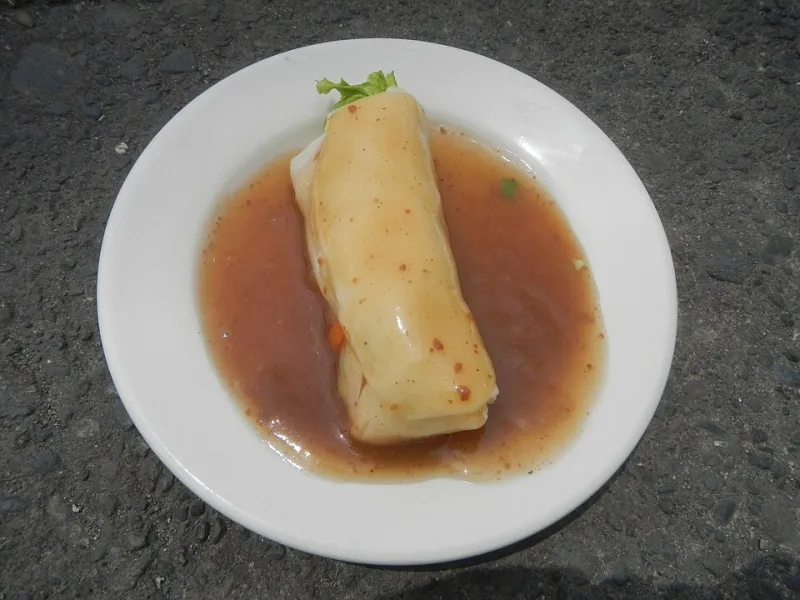
Photo: Judgefloro, CC0, via Wikimedia Commons
Here's the thing about Izmir's food reputation: it's both well-earned and slightly misleading. Yes, the boyoz is excellent. Yes, the kumru is genuinely great. Yes, the seafood along the waterfront will make you rethink everything you thought you knew about fish. That part of the story is true and it deserves the coverage it gets.
But there's another layer to how Izmir eats — one that doesn't show up in travel guides, doesn't trend on food Instagram, and isn't being recreated by chefs in Brooklyn or Austin. It lives in apartment kitchens in Karşıyaka, in the steam trays of old neighborhood esnaf lokantaları, and in the handwritten notebooks that home cooks in Bornova guard like family heirlooms. That's the food we're actually interested in.
What Makes Izmir's Cuisine Different (And Why It's Hard to Explain)
Before getting into specific dishes, it's worth understanding why Izmir's food identity is distinct in a way that's genuinely hard to pin down. The city sits at a geographic and cultural crossroads — it's Aegean, but not in the same way as the resort towns further south. It was home to significant Greek, Jewish, Armenian, and Levantine communities for centuries, and those influences didn't disappear when those communities did. They got absorbed into the cooking.
The result is a cuisine that's lighter than Istanbul's, more herb-forward than most of Central Anatolia, and built around seasonal produce in a way that feels almost Mediterranean in the Italian or Greek sense. Olive oil does a lot of the heavy lifting. Fresh vegetables get treated as the main event rather than a side note. And there's a restraint to the spicing — not bland, but considered. Flavors are allowed to be themselves.
This is food that rewards patience and familiarity. It doesn't announce itself loudly.
Pırasa Böreği: The Börek That Doesn't Get Enough Credit
Börek in general gets plenty of love in Turkish food writing, but the leek version — pırasa böreği — is where Izmir home cooks quietly distinguish themselves. The filling is simpler than it sounds: braised leeks, sometimes a little white cheese, occasionally a handful of dill. What makes the Izmir version different is the dough, which tends toward thinner and crispier than the thicker, doughier versions you find elsewhere, and the use of olive oil rather than butter throughout.
The key is in how the leeks are prepared. You cook them down slowly — really slowly — until they're almost jammy, sweet in a way that raw leeks absolutely are not. Get that wrong and the whole thing falls apart. Get it right and you understand why this is the börek that Izmir home cooks make when they want to impress someone without appearing to try.
You won't find this on most restaurant menus. It's home food. Which means if you want to eat it properly, you need to know someone.
Balık Tava and the Art of Not Overcomplicating Fish
Balık tava translates roughly as "pan-fried fish," which sounds simple because it is. That's the point. The Izmir approach to fish — particularly small, seasonal fish like tekir (striped red mullet) or barbunya (red mullet) — is to get out of the way. A little flour, hot olive oil, a squeeze of lemon, maybe some fresh herbs. That's it.
What makes this an Izmir thing rather than just a generic Turkish fish preparation is the sourcing obsession. Locals are deeply particular about where their fish comes from and what season it is. Eating barbunya in the wrong month is considered a minor personal failing in some households. The fish market at Konak or the vendors along the Karşıyaka waterfront aren't just shopping stops — they're where residents make daily decisions about what's actually worth eating right now.
The balık tava itself is almost secondary to that sourcing ritual. But when both things come together — the right fish at the right time, cooked simply and eaten fast — it's one of the better things you can eat anywhere.
Zeytinyağlı Enginar: The Dish That Marks Spring
Artichokes in olive oil might sound like something you'd find at a fancy tapas bar in San Francisco, but in Izmir it's a deeply domestic, seasonal dish that marks the arrival of spring in a way that feels almost ceremonial. The Aegean region produces exceptional artichokes, and Izmir home cooks have strong opinions about how they should be prepared.
The basic version involves trimming the artichokes down to their hearts, braising them in good olive oil with lemon juice, carrots, peas, and fresh dill until everything is tender and slightly glossy. It's served at room temperature — never hot — which is a whole philosophy in itself. Many of the best Aegean dishes, the zeytinyağlı category, are meant to be eaten after they've had time to sit and let the flavors develop. Patience is built into the recipe.
This is the kind of dish that gets made on a Sunday afternoon and eaten on Tuesday, better for the wait.
The Esnaf Lokantası: Where the Real Cooking Happens
If you want to eat like an Izmir local without being invited into someone's home — which, honestly, is the only way to eat the dishes above in their ideal form — the esnaf lokantası is your best option. These are the no-frills neighborhood lunch spots that serve rotating daily menus of home-style dishes to office workers, tradespeople, and retirees who can't be bothered to cook.
They're not Instagram-friendly. The decor is fluorescent lights and formica. The menu is handwritten on a board and changes daily based on what was available at the market that morning. But the food at a good esnaf lokantası in Izmir — the slow-braised lamb with vegetables, the lentil soup, the stuffed grape leaves swimming in olive oil — is the closest thing to home cooking that a visitor can realistically access.
The trick is finding the right one, which requires either local knowledge or the willingness to walk into places that don't have any English signage and just point at whatever the person next to you is eating. Both approaches work.
What This Food Actually Says About Izmir
Food is always a proxy for something else, and in Izmir's case, the home cooking tradition points to a city that's confident enough in its own identity not to perform for outsiders. The dishes aren't dramatic. They don't require rare ingredients or elaborate technique. They require good local produce, time, and the kind of accumulated knowledge that comes from cooking the same things for generations.
That's a harder thing to package and sell than a photogenic street food moment. But it's also, arguably, the more honest version of what Izmir actually is — a city that knows what it likes and doesn't feel the need to explain it to you.