Steam, Stone, and Silence: Izmir's Ancient Hammams Are Still Doing Their Thing
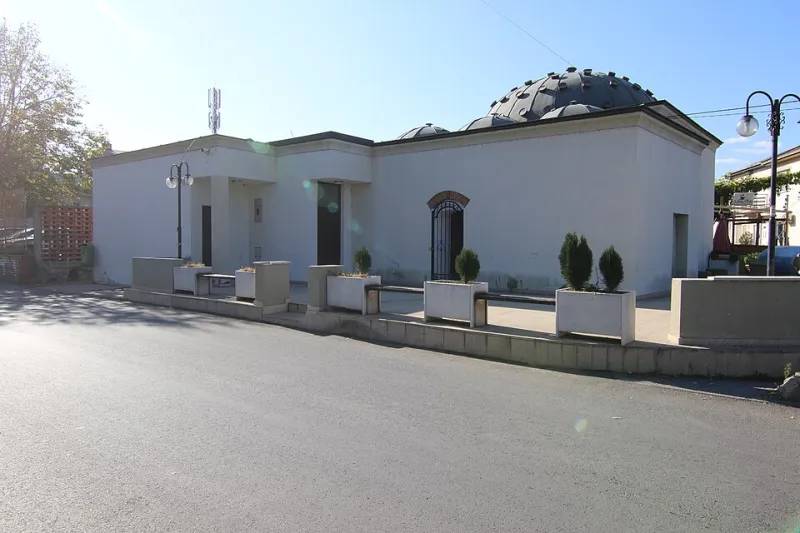
Photo: 44martin88, CC BY-SA 4.0, via Wikimedia Commons
The Bath You Won't Find on TripAdvisor
Most visitors to Izmir spend their hammam energy on the polished, tourist-facing spots — the ones with English menus and Instagram-ready interiors. And honestly, those aren't bad. But the real story of Izmir's bathhouse culture is playing out in quieter, older places: low-lit marble rooms, attendants who've been doing this for thirty years, and a ritual that nobody had to revive because it never actually left.
Izmir sits at an interesting crossroads. It's a port city, historically diverse, and carries a more secular identity than many Turkish cities. That means its hammams developed their own particular rhythm — less ceremonial showpiece, more neighborhood institution. Think of them the way Americans think of a good barbershop or a diner that's been open since 1962. They exist because people keep coming back.
What You're Walking Into
A traditional hammam is built around a central heated slab called the göbek taşı — literally, the navel stone. It anchors the main washing hall, which is usually domed and punctuated with star-shaped skylights that scatter soft light across the steam. The architecture isn't decorative for its own sake; it's functional. Those domes circulate air. The marble holds heat. Everything is designed around the experience of your body slowing down.
Some of Izmir's older hammams date back to the Ottoman period, and you can feel it in the worn edges of the stonework and the way the ceilings curve. A few have been in continuous operation for well over two hundred years, which puts them in a category of living heritage that no museum exhibit can replicate.
Hamide Hanım, a tellak (bath attendant) who has worked at one of the Kemeraltı district's older hammams for nearly two decades, described her regulars the way a good bartender might describe their Tuesday crowd. "Some of them came with their mothers. Now they bring their own kids," she said. "It's not something they think about. It's just what you do."
The Ritual, Step by Step
For first-timers from the US, the process can feel disorienting at first — mostly because there's no real script handed to you. Here's roughly how it goes:
You arrive, leave your shoes at the entrance, and are given a peştemal — a thin, flat-woven cotton wrap — along with a locker key. You change, wrap up, and make your way into the warm room, called the ılıklık, to let your body adjust to the heat before moving into the main chamber.
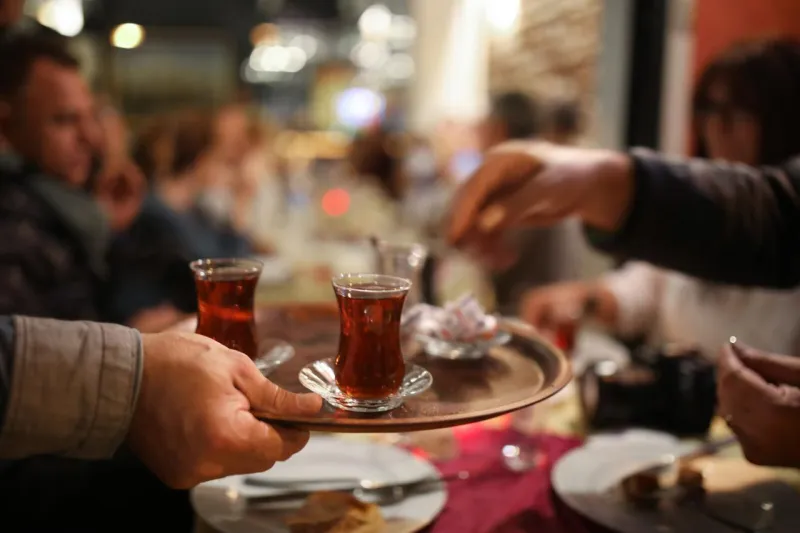
Once you're on the heated marble, the attendant takes over. The kese — a coarse exfoliating mitt — is the main event. What comes off your skin will genuinely surprise you. After the scrub, there's a foam massage, a rinse, and then you're handed a fresh towel and pointed toward the cooling room, where tea may or may not materialize depending on the place.
The whole thing takes between 45 minutes and two hours. There's no rush. That's the point.
How Locals Actually Use Them
For tourists, a hammam visit is often a one-time cultural experience. For Izmir residents, it's a recurring appointment — sometimes weekly, sometimes monthly — that fills a specific social and physical function. Women's hammam sessions in particular carry a strong community dimension. Historically, these were spaces where women gathered outside the home, exchanged news, and maintained social bonds. That function hasn't entirely disappeared.
Mehmet, a retired schoolteacher from the Bornova neighborhood, has been going to the same hammam every Friday for over a decade. "It's not about cleaning," he said plainly. "I have a shower at home. It's about the feeling afterward. And the quiet."
That quiet is something visitors often mention. In a city that runs loud and fast along its waterfront and commercial corridors, a good hammam is genuinely still.
Finding the Real Ones
The Kemeraltı bazaar district is your best starting point for authentic, non-touristy hammams. The area has been a commercial and social hub since the seventeenth century, and several of its hammams have operated through every shift in the city's identity. They're not hard to find if you're willing to walk the older lanes rather than sticking to the main shopping drag.
A few practical notes for first-time visitors:
- Bring cash. Most traditional hammams don't take cards.
- Go mid-week, mid-morning if you want the least crowded experience and the most attentive service.
- Don't book a massage the same day if this is your first time — let the kese scrub be the whole experience and see how your body responds.
- Ask about separate hours. Many traditional hammams alternate between men's and women's sessions rather than running co-ed facilities.
- Tip your attendant. This is standard practice and genuinely appreciated.
Why It Matters Beyond the Experience
There's a real preservation conversation happening around Izmir's older hammams. Some have closed in recent decades as the buildings they occupy became more valuable as real estate. Others have been renovated in ways that prioritize aesthetics over authenticity. The ones that have survived largely intact did so because their local clientele never left — and because the families or cooperatives running them understood that the ritual itself is the product.
For American visitors, there's a useful frame here: imagine if the neighborhood bathhouse, the barbershop, and the community center were all the same place, and had been for two centuries. That's roughly the cultural weight a working hammam carries in Izmir.
You don't need to have a spiritual experience. You don't need to do extensive research before you go. You just need to show up, follow the lead of the people around you, and let the marble do its job. The rest takes care of itself.