Pre-Dawn on the Kordon: Riding Along With Izmir's Last Small-Boat Fishermen
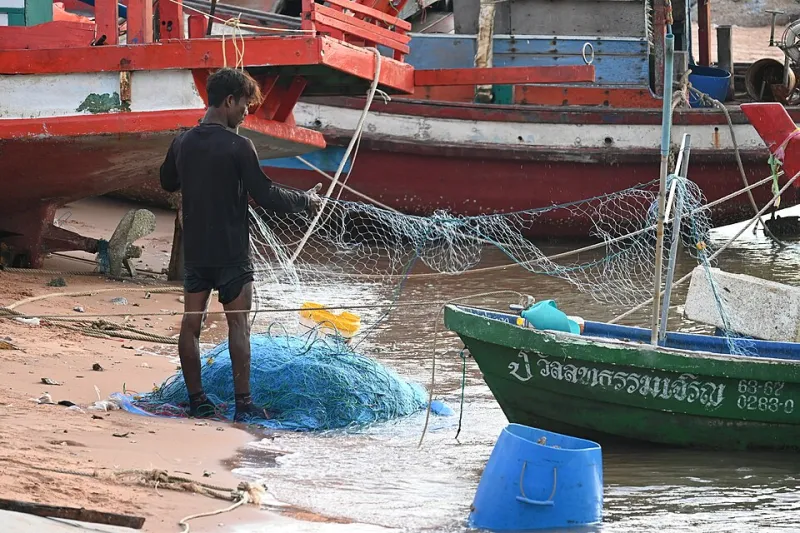
Photo: PattayaPatrol, CC BY-SA 4.0, via Wikimedia Commons
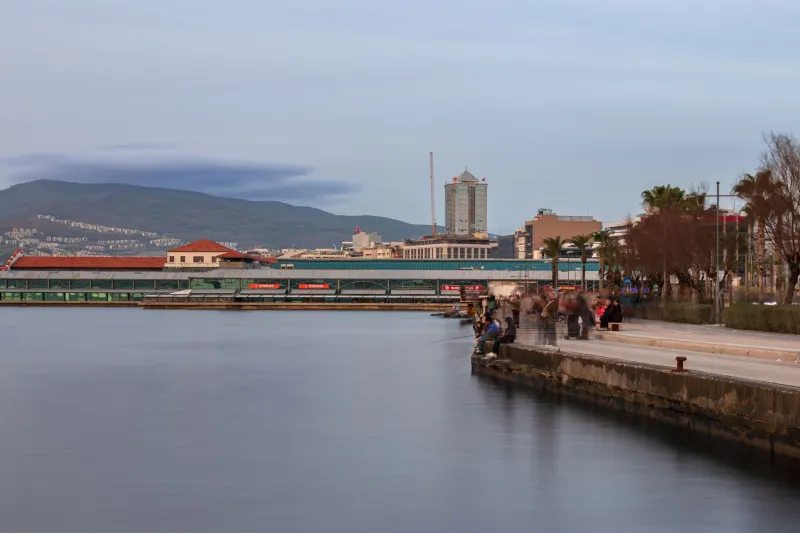
At 4:40 a.m., the Kordon belongs to nobody. The palm-lined promenade that will be packed with strollers by noon is empty, the streetlights still doing their job over the Gulf of Izmir, and somewhere out on the dark water, a single engine coughs to life.
That's Mehmet's boat.
He's 61, third-generation fisherman, and he's been working the Aegean off Izmir's central waterfront since he was tall enough to haul a net. His father did it. His grandfather did it before that. And on this particular morning — like every morning, rain or shine, tourist season or dead of winter — he's doing it again.
The City That Sleeps In
If you've ever visited Izmir, you know the rhythm: late breakfasts, evening strolls, a general refusal to hurry that drives visitors from Istanbul absolutely crazy. Turns out, that famous Izmir laziness isn't laziness at all. It's a philosophy. And nowhere is it more refined than on the water.
Mehmet's routine hasn't changed much in forty years. Check the nets. Read the wind. Leave the dock before the gulls get greedy. It's the kind of ritual repetition that a lot of Americans claim to want — the slow living movement, the digital detox, the whole "be present" thing — except Mehmet isn't doing it as a lifestyle choice. He's doing it because the fish don't care about your inbox.
"People ask me why I don't retire," he told me, hands busy with a knot I couldn't begin to follow. "Retire to what? Sit in a café and watch other people work? I already have the best seat in the city."
He's not wrong. From his boat, the Kordon skyline unfolds in layers — the clock tower, the hillside apartments, the crane silhouettes of a city that keeps building upward while he stays exactly where he is.
What the Gulf Gives
Izmir's Gulf isn't the Mediterranean postcard you're picturing. It's a working body of water, shallow and warm, and it produces fish with a flavor that locals get genuinely defensive about. The catch changes with the seasons: sea bass and bream in the cooler months, sardines when summer hits, and the little anchovies — hamsi — that will spark a friendly argument between Izmir and the Black Sea coast over who cooks them better. (Izmir, obviously. Don't @ us.)
By 8 a.m., Mehmet is back at the dock, sorting his catch into crates while joggers give him a wide berth. By 9, whatever the restaurants didn't claim in advance is heading to the small morning markets, where home cooks — mostly women who know exactly what they're looking for — buy fish so fresh it's practically still negotiating.
That's the supply chain. That's the whole thing. No middlemen in sunglasses, no cold storage warehouses. Boat to table in under six hours, a farm-to-table story that predates the phrase by about two centuries.
The Slow Movement, Aegean Edition
Here's what stayed with me after that morning: the American slow living movement tends to treat slowness as something you buy. A retreat, a cabin, an app that blocks other apps. On the Kordon, slowness isn't a product. It's the byproduct of work that can't be rushed.
You cannot hurry a net. You cannot rush the tide. The sea sets the schedule, and the fishermen — the ones who've lasted, anyway — have simply agreed to the terms.
"The young ones want speed," Mehmet says, nodding at a jet ski screaming across the gulf. "The sea teaches you patience or it teaches you nothing. Usually it teaches you patience first."
Why This Matters Now
Izmir is changing fast. The waterfront gets sleeker every year, the cafés multiply, and the apartment towers creep higher up the hillsides. The small-boat fleet shrinks a little each season — licensing costs, aging crews, kids who'd rather code than bait hooks.
But on any given morning, if you get to the Kordon early enough, you'll still see the boats come in. And if you time it right, you can eat the results by lunch: a plate of grilled sea bass at a humble lokanta a few blocks inland, caught by a man whose grandfather fished the same water.
So here's your assignment, slow-living enthusiasts of America: skip the sunrise yoga retreat. Book the flight to Izmir instead. Get to the Kordon before dawn, watch the boats come home, and then eat what they brought back.
That's not a wellness trend. That's just Tuesday.