The City That Was Built Facing the Water: Izmir's Harbor and the Making of a Personality
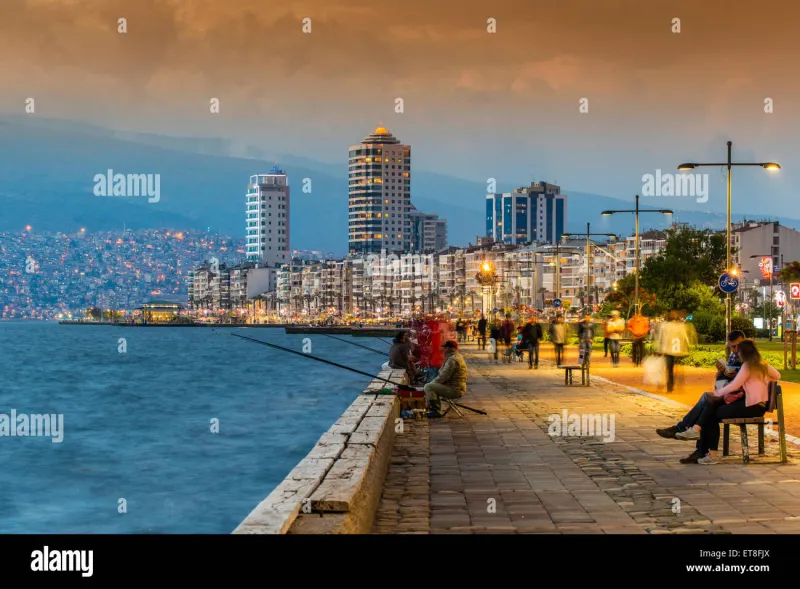
Photo: Izmir gulf promenade waterfront evening crowds ferry sea, via c8.alamy.com
Every city has a front door. Istanbul's is the Bosphorus, dramatic and film-ready. Izmir's is quieter, wider, and — if you ask the people who live here — more honest: a vast, curving natural harbor that has been accepting cargo, merchants, and strays for five thousand years.
Spend a week in Izmir and you'll notice something American visitors rarely expect. The city doesn't just have a waterfront. It orients around it. The famous promenade along the Gulf — the Kordon — isn't a tourist attraction; it's the communal living room. And that's not an accident of modern urban planning. It's the residue of a very old truth: Izmir became Izmir because of that water.
The Harbor Was the Business Model
Start with geography. The Gulf of Izmir cuts deep into the Anatolian coast, sheltered and deep enough for large vessels — a natural port in a region where good harbors were currency. As far back as antiquity, this was a shipping point for the agricultural wealth of western Anatolia: olives, figs, raisins, cotton, tobacco.
By the time the Silk Road's western termini funneled goods toward the Aegean, Izmir (then Smyrna) was positioned to become the cash register. Caravans came overland; ships came from across the Mediterranean; everything met at the harbor.
That trade shaped everything downstream. A port city is a city of middlemen, translators, and pragmatists. You can't run a harbor on ideology. You run it on competence and deal-making, which tends to breed a particular civic personality: open, mercantile, a little skeptical of anyone who takes themselves too seriously.
Ask a Turk to describe Izmir in three words and you'll often hear versions of this: relaxed, modern, open-minded. That reputation has roots in the docks.
The Cosmopolitan Century
The early 1900s were Izmir's high-water mark of diversity, and the harbor was the reason. Greeks, Armenians, Jews, Levantine Europeans, and Turks all lived and traded along the waterfront, and the city hummed with languages. Contemporary accounts describe a port town where you could hear four tongues on one street and eat lunch from three different culinary traditions without changing neighborhoods.
That world was violently interrupted — by war, fire, and the population exchanges of the 1920s, which emptied and refilled the city almost overnight. But the harbor remained the constant. The new Republic's Izmir went back to what it had always done: shipping the Aegean's harvest to the world.
There's a lesson in that continuity that distinguishes Izmir from the Istanbul narrative most Americans know. Istanbul's story is one of empires and capitals. Izmir's story is one of work. It was never the seat of power. It was the place that fed and supplied the power, and it developed a self-sufficient, slightly irreverent identity to match.
The Waterfront Comes Back
Here's where the history gets a modern sequel. For decades in the late twentieth century, the harbor's industrial edge and coastal traffic put a wall — literal and psychological — between Izmir and its own sea. The water was the city's livelihood, but not its leisure.
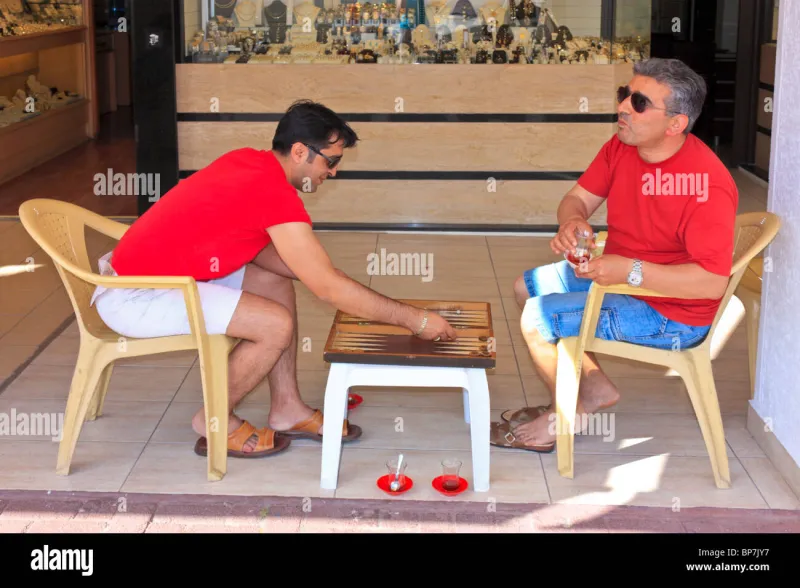
That's changed, decisively. The waterfront regeneration over the past two decades — extended promenades, the coastal ferry network, parks, bike lanes, and the cultural corridor stretching from Konak to Alsancak and beyond — has given the sea back to the public. Today the Kordon on a summer evening is one of the great free spectacles in Turkey: families with picnic blankets, kids on rented bikes, elderly men arguing over backgammon, couples sharing one scoop of ice cream with two spoons.
The ferries deserve special mention. They're commuter transit, yes — but they're also the cheapest cruise in the Aegean. For the price of a bus token, you get a twenty-minute crossing with gulls trailing the deck and the city skyline rearranging itself around you. Locals time their errands around it. Visitors should too.
Still the Front Door
Walk the harbor at dusk and the layers stack up. Container cranes to the north still doing the ancient job. Fishing boats coming in with the day's catch. The promenade filling up with the evening crowd. The same gulf that loaded figs for Victorian England now ships container parts and welcomes cruise passengers — but the essential function hasn't changed. Everything arrives here first.
Cities reveal themselves in what they do with their best asset. Istanbul built bridges. Izmir built benches. The harbor made this city rich once; now, repurposed as public space, it's making it something arguably rarer: livable.
The sea didn't just give Izmir its economy. It gave it its temperament — outward-facing, unbothered, allergic to pretension. Stand on the Kordon at golden hour and you can feel it. This city has been greeting arrivals for millennia, and it's gotten very good at it.